Government of Kerala

Varkala is a coastal town, popularly known as Dakshina kasi is a famous holy place from centuries ago. It is the suburban town of Thiruvananthapuram (Trivandrum City). It is Located 50 Kilometers (Appro.32 miles) north – west of Thiruvanathapuram and 37 Km South- West of Kollam city.
Varkala is the only place in southern Kerala where cliffs are found adjacent to the Arabian Sea.[2] These Cenozoic sedimentary formation cliffs are a unique geological feature on the otherwise flat Kerala coast, and are known among geologists as Varkala Formation and a geological monument as declared by the Geological Survey of India. There are numerous water spouts and spas on the sides of these cliffs.
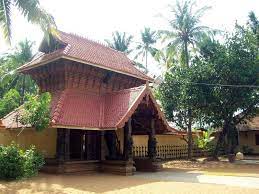
Varkala is also famous for the 2,000-year old Janardana Swami Temple which is an important Vaishnavaite shrine in India and is often referred to as Dakshin Kashi (Benares of the South).[3] The temple is located close to the Papanasam beach, which is considered to have holy waters which wash away sins, and is also an important Ayurveda treatment centre. The temple has an ancient bell removed from a shipwreck, donated by the captain of the Dutch vessel which sank near Varkala without causing any casualties. The place was also called Udaya Marthandapuram, commemorating the contributions of Udaya Marathanda Varma, a Travancore King, to the development of Varkala. The king in 1762 built rows of houses in the obscure sea side village of Varkala in order to make the local Brahmins settle here.
There are several stories and legends related to the birth of this place. One such story is related to the construction of the Janardhana Swami temple. Lord Brahma instructed one of the Pandyan Kings to build a temple in order to redeem his souls from the sins he has committed. In his dreams the king received a prophecy which suggested Varkala as the location to build the temple. The name of the place is attributed to another legend of Sage Narada. According to this legend, Sage Narada was visited by the nine prajapathis who told him that they had sinned. He threw his valkalam (garment made of tree bark) to earth. Narada told the prajapathis to go there and pray for their redemption. Since then the scenic village were the valkalam fell was called by the name Varkala (derived from valkalam).
Varkala was known to ancient foreign traders, says many historical documents. The place had been referred to as `Balita’ in The Periplus of the Erythraean Sea, the ancient Greek manuscript describing navigation and trading opportunities.
Topography
Varkala has a distinctive topography and this itself is the highlight of the place. It not only harbours the scenic charm of a calm beach, but attains a majestic quality with the towering laterite cliffs along the beach. Standing like sentinels overlooking the turbulent sea, the cliffs provide the best enchanting view of the sea. The wide plateau of the cliffs also houses many hotels and restaurants. You can see long winding roads from Varkala town which leads to one of the higher cliffs, where a helipad has been built. The laterite cliffs, the golden sands and the rolling waves of the sea provide a unique charm to the place and its unique geological formation attracts a lot of geologists too to this place. The cliffs also harbour natural springs and they are believed to have medicinal qualities. You can see a lot of people taking bath in the medicinal springs.
The beach here is called Papanasam beach which is believed to wash away sins. During monsoons, the place is less frequented by tourists due to sea erosion and heavy downpour. Kappil Beach, another major attraction in Varkala, is situated a few kilometres away and it also draws large crowd. The beauty of Varkala is enhanced by the presence of backwaters at some places and Ponnumthuruthu Island, surrounded by backwaters near Varkala is another hot tourist spot. A boat ride through the backwaters, watching the vegetation on either side is a delightful experience.
Varkala town is well connected through road, rail and waterways to Thiruvananthapuram and Kollam. Water transport, which was the main means of travel during earlier times, has now become almost out of use.
Climate
Varkala has a moderate humid climate, with temperature ranging from 30 to 36 degree Celsius. It experiences heavy rains from June to August (Southwest Monsoon) and the average rainfall is 310cm. with heavy rains during June-August due to the southwest monsoon. The best season to visit the place is October to February.
Major Landmarks